
Elbert County Jail Bookings
Elbert County maintains recent booking records at the sheriff's office in Kiowa. This rural county east of Denver processes all arrests through the county detention facility. Elbert County Sheriff's Office handles law enforcement for most of the county and operates the jail where all bookings occur. You can search for recent arrests by contacting the sheriff's office directly or checking available public records. Elbert County keeps a daily log of all jail inmates with booking dates, charges, and bond information. Anyone can request access to these records during normal business hours.
Elbert County Sheriff Records
The Elbert County Sheriff's Office serves as the main law enforcement agency for the county. Deputies patrol unincorporated areas and handle arrests throughout the region. The office also operates the county jail and manages all booking records. When someone gets arrested in Elbert County, they go through processing at the detention facility in Kiowa.
Elbert County covers a large geographic area with a small population spread across rural communities. The county sits on the eastern plains of Colorado. Most arrests involve local residents though some occur with people passing through on highways. The sheriff's office handles a range of cases from traffic violations to more serious offenses. Deputies work with state patrol and other agencies when needed to cover the large county area.
To find recent bookings in Elbert County, call the sheriff's office during business hours. Staff can check if someone is currently in custody and provide basic booking information. They maintain a daily jail log as required by Colorado law. The log lists all current inmates with their names, booking dates, charges, and bond amounts. You can view this log in person at the sheriff's office.
For copies of booking records or more detailed information, submit a written records request. The sheriff's office processes these requests under Colorado's public records laws. Simple questions about current inmates usually get answered over the phone at no charge. Requests for copies or extensive research may involve fees. The office tries to respond to records requests within three working days unless the request is complex.
Note: Phone inquiries work best during regular office hours when administrative staff are available to access records.
Finding Elbert Booking Information
Elbert County does not have an online inmate search system. Most small rural counties in Colorado lack the resources to build and maintain web-based booking databases. You must contact the sheriff's office directly to check on recent bookings or custody status. Call during business hours to speak with someone who can access jail records.
The Colorado Judicial Branch offers court docket searches that cover Elbert County. You can search for criminal cases by name or case number. Court records show what charges were filed and when hearings are scheduled. This information helps you track cases after arrest. Docket searches are free and available online any time of day.
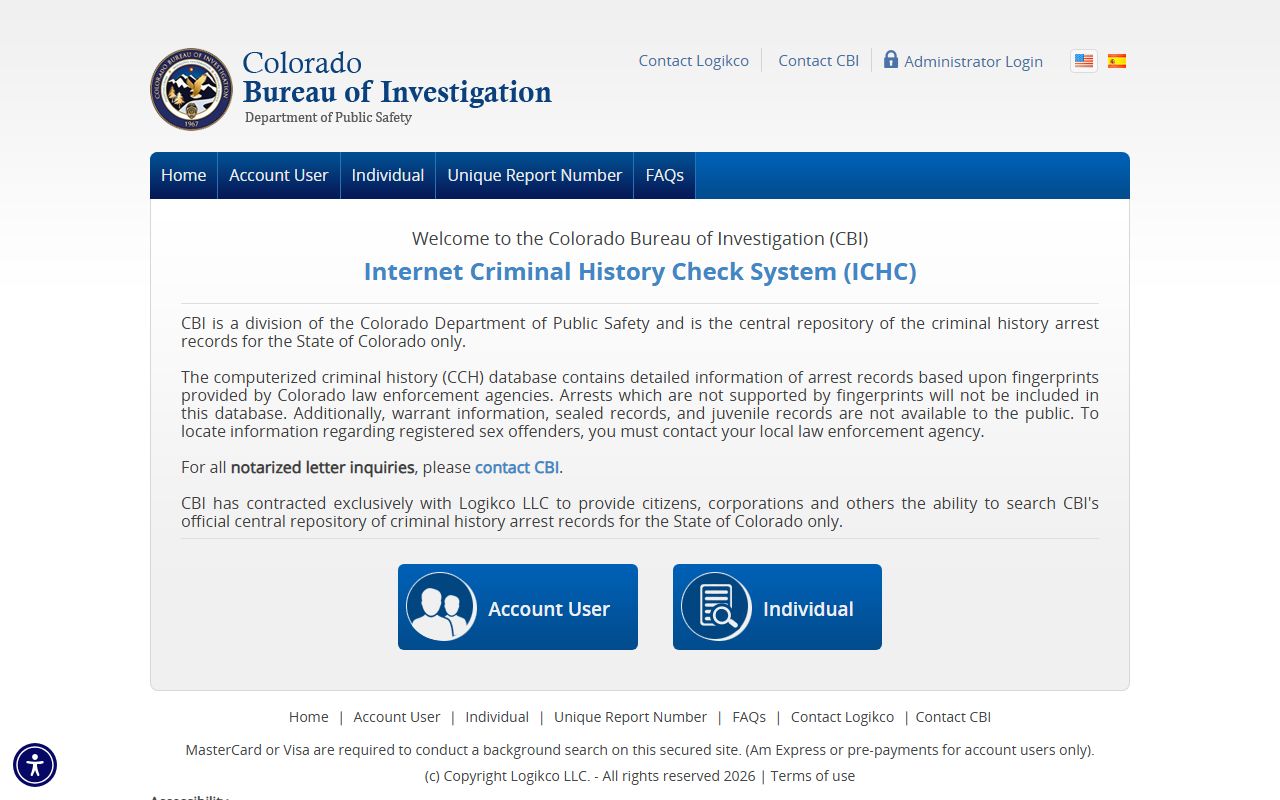
For background checks covering arrests across Colorado, use the Colorado Bureau of Investigation system. The CBI maintains statewide criminal history records based on fingerprints. You can order a check online for six dollars per result. These reports show arrests from Elbert County and other counties where fingerprints were submitted to the state database. Not every arrest appears in the CBI system if fingerprints were not properly filed.
Colorado Booking Record Laws
State law requires county jails to keep a daily log of inmates. Each log must include specific information about every person in custody. Names, birth dates, booking dates, charges, and bond amounts all go in the log. The law says these logs must be open to public inspection at reasonable times. Elbert County meets this requirement by keeping logs at the sheriff's office.
The Colorado Criminal Justice Records Act governs how arrest records get released. Booking information counts as an official action record under this law. Agencies must make official action records available to the public. When you request these records, the agency should respond within three working days. Some requests take longer if they involve hard-to-find records or need privacy review.
If you want booking photos, you must sign a statement about intended use. Colorado law prohibits using mug shots for commercial gain. This rule stops websites from charging fees to remove booking photos. Elbert County will provide the required form when you request photos. The form just asks you to confirm you will not use the photos to make money.
Juvenile records are confidential under Colorado law. Sheriff's offices cannot release booking information for people under eighteen years old. Only certain parties like parents, attorneys, and the court can access juvenile arrest records.
Elbert County Detention
Elbert County operates a small jail facility in Kiowa. The jail houses people awaiting trial and those serving short sentences. When deputies make an arrest, they bring the person to this facility for booking. Staff collect personal details and take fingerprints and photos. They search the person and store their belongings. Each inmate gets a booking number for record keeping.
First court appearances happen within two days of arrest. The judge looks at the charges and sets bond. Bond amounts depend on many factors including the crime charged, past record, and risk of flight. Some people get released on their own recognizance without paying bond. Others must post cash or surety bond to leave jail before trial. Call the sheriff's office or check court records to find out bond status.
The Elbert County courthouse is in Kiowa near the sheriff's office. Court sessions occur on scheduled days. Criminal cases go before judges who handle various types of proceedings. Hearings are usually open to the public. You can attend if you want to observe. Contact the court clerk for information about hearing schedules and courtroom locations.
If someone cannot afford an attorney, the court appoints a public defender. Public defenders handle criminal cases for people who qualify based on income. Legal aid groups also serve the area and may help with certain legal issues. Contact Colorado Legal Services or the local bar association to learn about available assistance.
Statewide Inmate Searches
The Colorado Department of Corrections runs the state prison system. People sentenced to more than one year go to state prison after time in county jail. The CDOC website has an inmate locator for searching state prisoners. This tool shows only state prison inmates, not county jail inmates. If someone from Elbert County gets a long sentence, they eventually transfer to CDOC custody and appear in that database.
Many larger Colorado counties provide online booking searches through their websites. These systems let you search by name to see recent arrests and current inmates. Elbert County does not have this type of system but you can look at other county websites to see how they work. Each county manages its records independently. You must search each county separately to find booking information.
Third-party websites sometimes collect and post booking data from various sources. These sites may include Elbert County information when available. Updates for small counties may not be frequent or reliable. Always verify information from unofficial sources by contacting the sheriff's office directly. Official records from the county are the most accurate and current source.
Eastern Plains Counties
Elbert County borders several other counties on Colorado's eastern plains. Douglas County is to the west. El Paso County sits south of Elbert County. Lincoln County and Kit Carson County lie to the east. Each county has its own jail and booking system. If you cannot find someone in Elbert County records, try checking nearby counties where the arrest might have happened.
The eastern plains region has similar law enforcement challenges across counties. Large geographic areas with small populations mean deputies cover a lot of ground. State highways run through the region bringing traffic stops and arrests of non-residents. Each county handles its own bookings but may cooperate on investigations that cross county lines. Court systems in these counties follow the same state laws and procedures.